Mount Kailash (Gang Rinpoche) & Kora
Why an Unclimbed 6,638-Meter Peak Unites Four Traditions
Known in Tibetan as Gang Rinpoche (“Precious Jewel of Snows”), this four-sided peak in western Ngari feeds four of Asia’s greatest rivers and remains intentionally unclimbed out of shared reverence across Tibetan Buddhism, Bön, Hinduism, and Jainism.
Walking Around Rather Than Standing On Top
Modern mountaineering defines relationship with a peak by standing on its summit; Himalayan pilgrimage defines it by walking humbly around its base (skor-ba / kora). When Chinese authorities offered Reinhold Messner a climbing permit in the 1980s, he declined out of respect: “If we conquer this mountain, then we conquer something in people’s souls.”
Halfway along the 52-kilometer circuit lies the 5,630-meter Drolma La (“Green Tārā Pass”), draped in thousands of five-colored lungta flags—experienced by pilgrims as a symbolic passage through letting go and renewal.
| Tradition | Sacred Name | Spiritual Significance | Kora Direction |
|---|---|---|---|
| Tibetan Buddhism | Gang Rinpoche / Ti-se | Earthly mandala palace of Chakrasamvara & Demchok | Clockwise (pradakṣiṇā) |
| Yungdrung Bön | Yungdrung Gutseg (“Nine-Story Swastika Mountain”) | Soul-mountain (bla-ri) of ancient Zhangzhung where Tönpa Shenrab descended | Counter-clockwise |
| Hinduism | Kailāsa Parvata | Eternal Himalayan meditation abode of Lord Śiva & Pārvatī | Clockwise |
| Jainism | Mount Aṣṭāpada | Peak where first Tīrthaṅkara Ṛṣabhadeva attained final liberation (mokṣa) | Clockwise |
How It Is Practiced in Living Tradition
Especially auspicious during the Tibetan Horse Year (such as 2026!), when historical tradition holds that a single circuit carries the weight of twelve.
Common Questions & Clarifications
Why did Milarepa and Naro Bönchung contest at Mount Kailash?
Tibetan lore recounts Kagyu yogi Milarepa reaching the summit on the first ray of dawn sun, establishing Kailash as Chakrasamvara’s mandala while leaving neighboring Mount Bonri for Bön practitioners—explaining how two traditions peacefully share the same valley today.
Primary Sources & Further Reading
- Alex McKay, Kailas Histories: Renunciate Traditions and the Construction of Himalayan Sacred Geography
Connected in the Mandala Graph
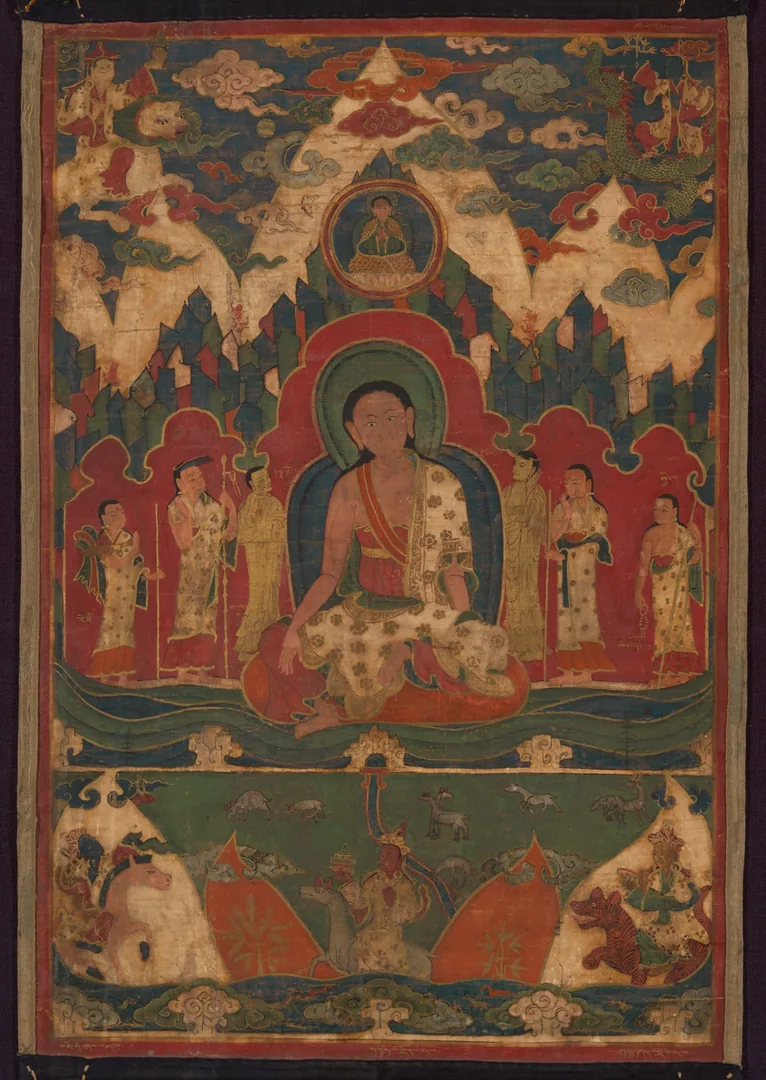
Jetsün Milarepa (1052–1135 · Tibet’s Cotton-Clad Poet-Yogi)
Seated in alpine cave solitude wearing a single white cotton cloth (repa), skin tinged pale green from years of wild nettle soup and right palm cupped at his ear singing spontaneous Vajra Songs (mgur), Milarepa proves no past mistake places awakening out of reach.
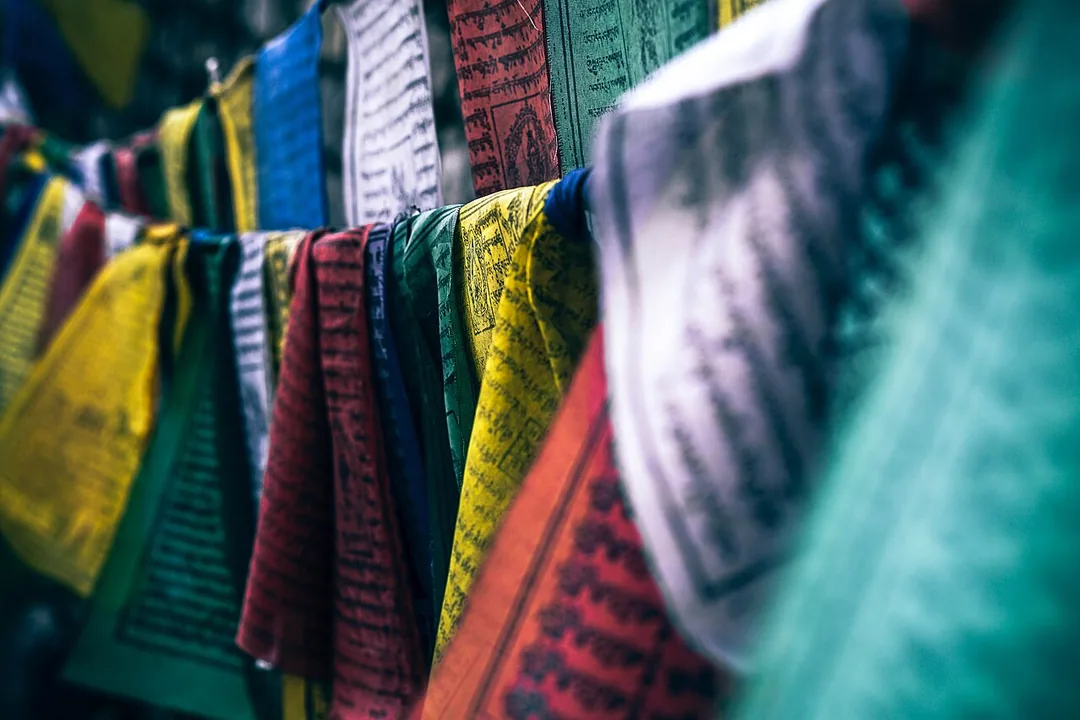
Five-Element Prayer Flags (Lungta · རླུང་རྟ།)
Literally “Wind Horse” (rlung-rta), five-colored cloth banners strung across Himalayan passes arrange the five natural elements in strict sequence so mountain wind carries auspiciousness across the valley.
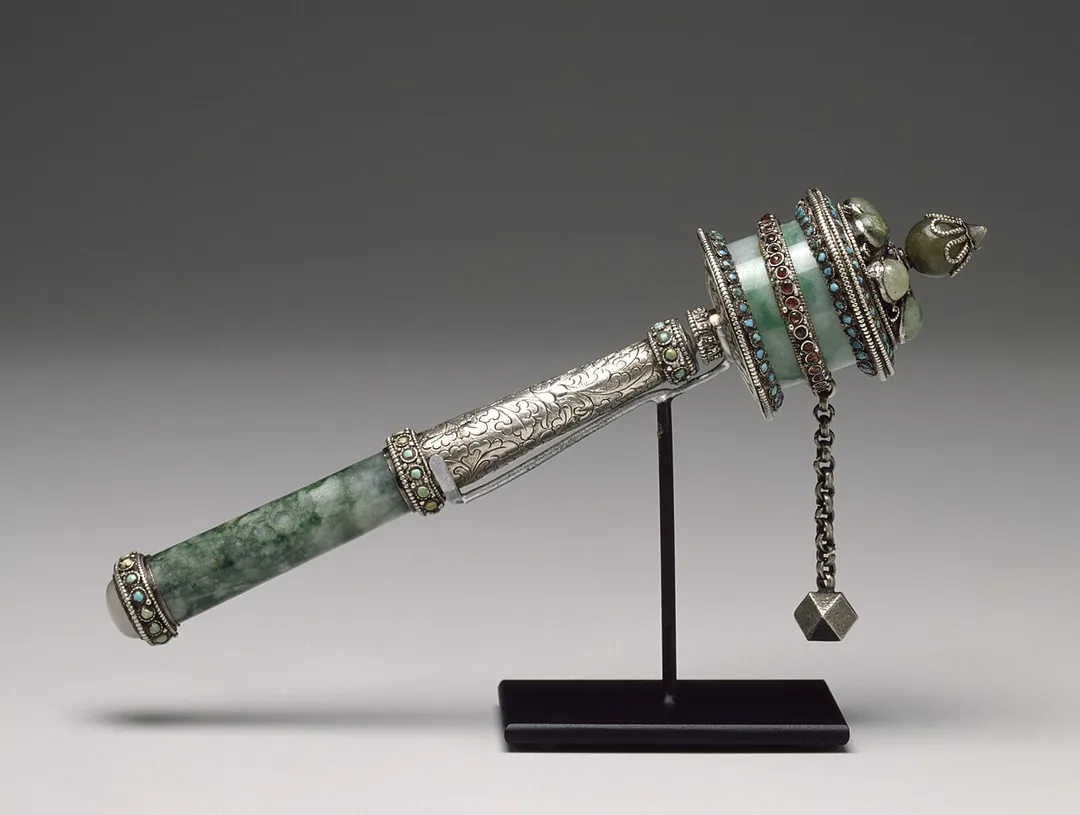
Tibetan Prayer Wheel (Mani Khorlo)
Far more than handheld brass cylinders, Tibetan prayer wheels harness mountain streams, high-pass wind, and rising butter-lamp heat so consecrated texts keep turning even while human bodies sleep.
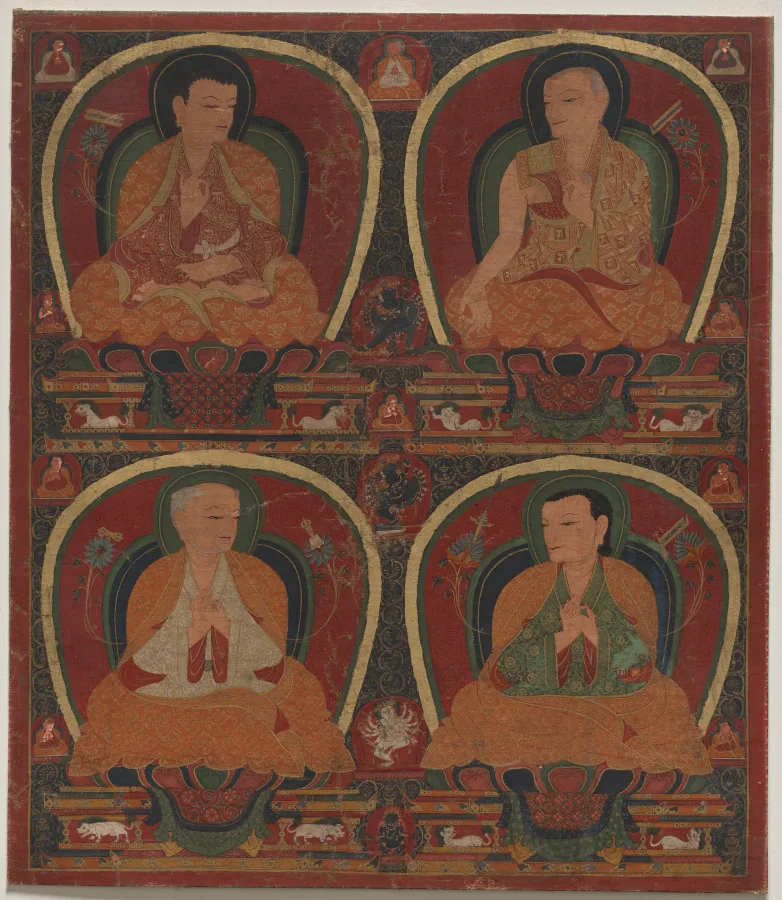
The Four Tibetan Schools & Bön Explained Clearly
Sharing the exact same Kangyur and Tengyur Buddhist canon, Tibet’s four major Buddhist schools differ not in core creed, but in historical translation era, pedagogical sequence, and meditative emphasis.