The Four Tibetan Schools & Bön Explained Clearly
Nyingma, Kagyu, Sakya, Gelug, Bön & the Non-Sectarian Rimé Movement
Sharing the exact same Kangyur and Tengyur Buddhist canon, Tibet’s four major Buddhist schools differ not in core creed, but in historical translation era, pedagogical sequence, and meditative emphasis.
Bön (བོན།)
Indigenous Himalayan spiritual tradition systematized alongside Buddhism; preserves Dzogchen Zhangzhung Nyengyü.
Nyingma (རྙིང་མ།)
Padmasambhava, Śāntarakṣita & King Trisong Detsen at Samye. Hallmark: Nine Yānas culminating in Dzogchen (Great Perfection).
Kagyu (བཀའ་བརྒྱུད།)
Tilopa → Naropa → Marpa → Milarepa → Gampopa. Hallmark: Mahāmudrā (Great Seal) & Six Yogas of Naropa.
Sakya (ས་སྐྱ།)
Founded at Sakya (“Pale Earth”) by Khön Konchok Gyalpo & Five Venerable Masters. Hallmark: Lamdre (“Path and Its Fruit”).
Gelug (དགེ་ལུགས།)
Founded by Je Tsongkhapa inheriting Atiśa’s Kadampa lineage. Hallmark: rigorous monastic debate, Madhyamaka, and Lamrim.
In the 19th century, Jamgön Kongtrul and Jamyang Khyentse Wangpo spearheaded the Rimé (Non-Sectarian) movement in Kham, honoring every lineage’s distinct method without erasing their differences.
Same Summit, Four Trailheads
Tibetan historians divide the arrival of Indian Buddhism into two great waves. During the First Dissemination (7th–9th centuries) under Kings Songtsen Gampo and Trisong Detsen, masters like Śāntarakṣita, Padmasambhava, and Vimalamitra translated scriptures that form the Nyingma (“Ancient”) school. Beginning in the late 10th century with great translators like Rinchen Zangpo and Marpa journeying back to India, the Second Dissemination birthed the Sarma (“New Translation”) lineages: Kagyu, Sakya, and Kadampa—whose strict monastic discipline and philosophical rigor Je Tsongkhapa renewed around 1409 as the Gelug (“Virtuous Way”) school.
Why “Red, White, Striped, Yellow” Are Outsider Nicknames
Chinese historical records since the Ming and Qing dynasties nicknamed the schools by visual details: “Red” for Nyingma’s ceremonial hats, “White” for Milarepa and Marpa’s cotton ascetic robes (repa) in Kagyu, “Striped” for the red-white-dark-blue earth stripes painted on Sakya monastery walls (symbolizing Mañjuśrī, Avalokiteśvara, and Vajrapāṇi), and “Yellow” for the golden pandita hats adopted by Gelugpa reforms.
| Tradition | Era & Founders | Mother Monastery | Pinnacle Contemplation | Philosophical Hallmark |
|---|---|---|---|---|
| Nyingma (Ancient) | 8th c. · Śāntarakṣita, Padmasambhava, Longchenpa | Samye, Mindrolling, Kathok, Palyul | Dzogchen (Atiyoga / Nine Yānas) | Old Translation tantras & Terma revelations |
| Kagyu (Oral Lineage) | 11th c. · Tilopa, Nāropa, Marpa, Milarepa, Gampopa | Tsurphu, Ralung, Bri-gung, Palpung | Mahāmudrā & Six Yogas of Nāropa | Devotional oral transmission & mountain retreat |
| Sakya (Grey Earth) | 1073 CE · Khön Könchok Gyalpo & Five Sakya Forefathers | Sakya Monastery (Tsang), Dzongsar | Lamdre (“Path and Its Fruit” from Virūpa) | Inseparability of Samsara & Nirvana (’khor-’das dbyer-med) |
| Gelug (Virtuous Way) | 1409 CE · Je Tsongkhapa, Gyaltsab Je, Khedrup Je | Ganden, Drepung, Sera, Tashilhunpo, Labrang | Lamrim (Stages of Path) & Guhyasamāja/Yamāntaka | Strict Vinaya discipline & courtyard Pramāṇa debate |
| Yungdrung Bön | Ancient Zhangzhung · Tönpa Shenrab, Nyammé Sherab Gyaltsen | Menri Monastery & Triten Norbutse | Zhangzhung Nyengyü Dzogchen | Nine Ways of Bön, logic Geshe curriculum & counter-clockwise kora |
How It Is Practiced in Living Tradition
Following the 19th-century Rimé movement, many contemporary masters hold lineages across multiple schools while maintaining one primary root curriculum.
Common Questions & Clarifications
Is Bön just pre-Buddhist shamanism?
Modern scholarship distinguishes ancient folk ritual Bön from Yungdrung (“Eternal”) Bön, which possesses a vast monastic canon, logic colleges, vows, and Dzogchen meditation lineages recognized alongside the four Buddhist schools.
Primary Sources & Further Reading
- Ringu Tulku, The Ri-Me Philosophy of Jamgön Kongtrul the Great
- Geoffrey Samuel, Introducing Tibetan Buddhism (Routledge)
Connected in the Mandala Graph
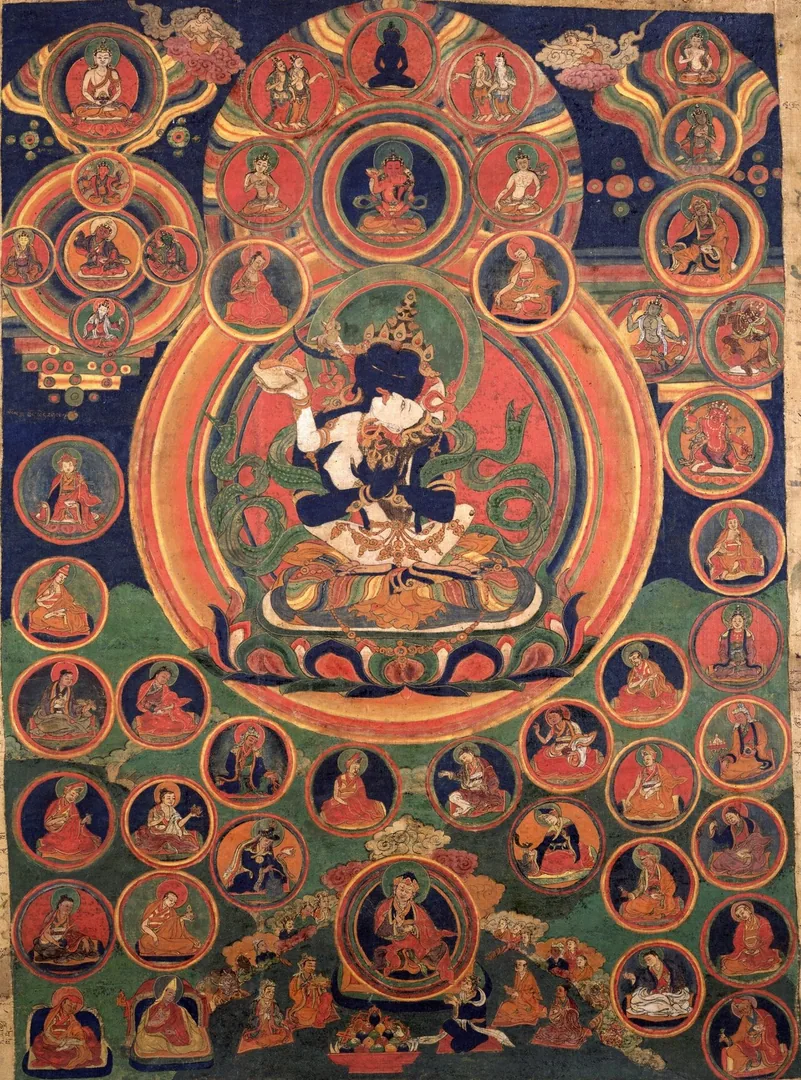
Padmasambhava (Guru Rinpoche)
Invited from Oddiyāna and Nālandā to Tibet by King Trisong Detsen in the 8th century, Padmasambhava (“Lotus-Born”) consecrated Samye Monastery and harmonized Himalayan indigenous spirits with Buddhist Dharma.
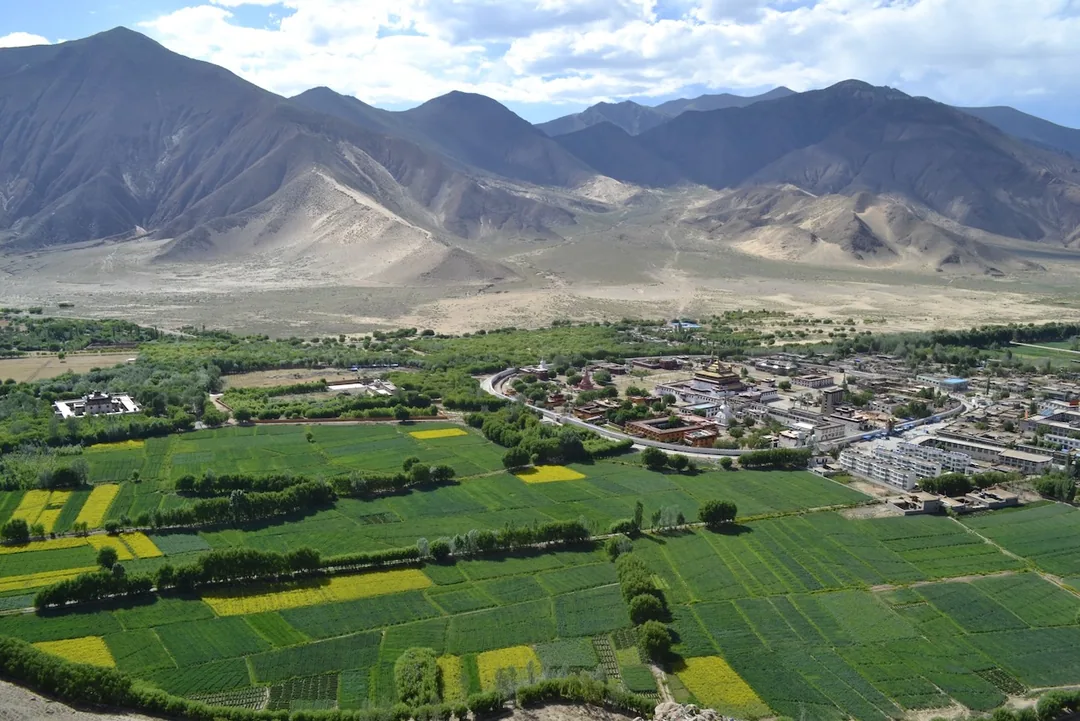
Jokhang Temple & Samye Monastery
Built in the 7th and 8th centuries respectively, Lhasa’s Jokhang anchors Tibetan devotional pilgrimage around the Jowo Śākyamuni, while Samye in Lhoka realizes an entire three-dimensional mandala in stone, timber, and earth.
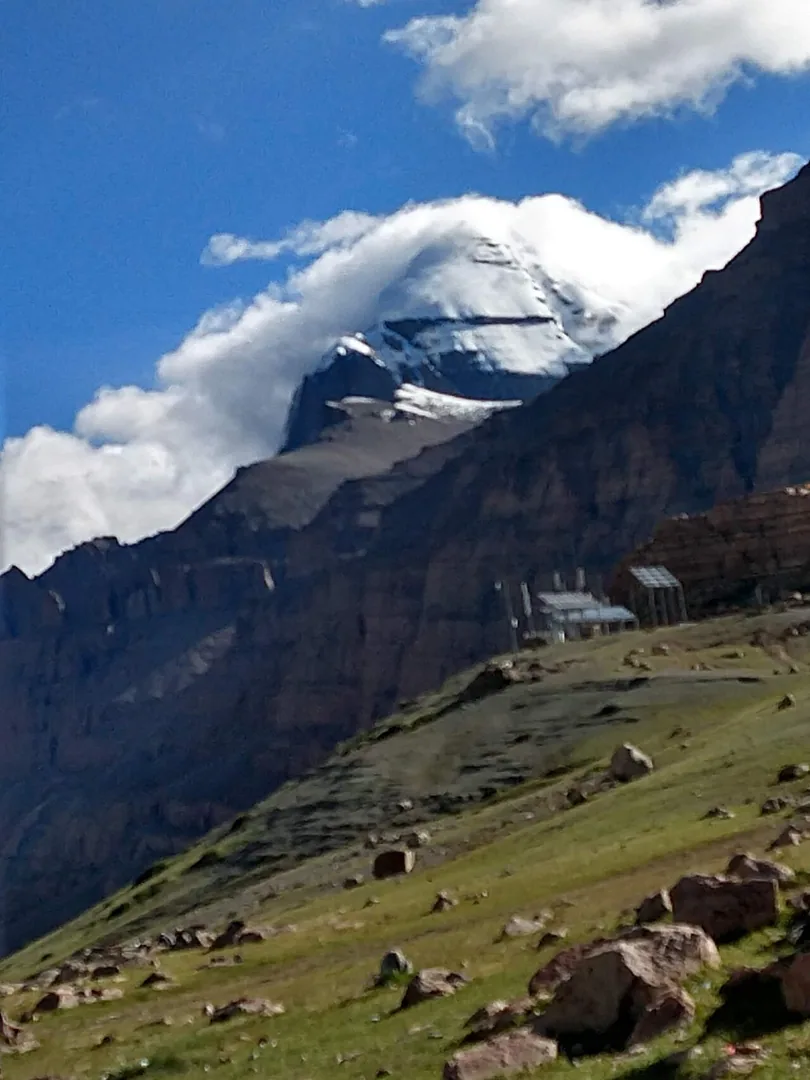
Mount Kailash (Gang Rinpoche) & Kora
Known in Tibetan as Gang Rinpoche (“Precious Jewel of Snows”), this four-sided peak in western Ngari feeds four of Asia’s greatest rivers and remains intentionally unclimbed out of shared reverence across Tibetan Buddhism, Bön, Hinduism, and Jainism.
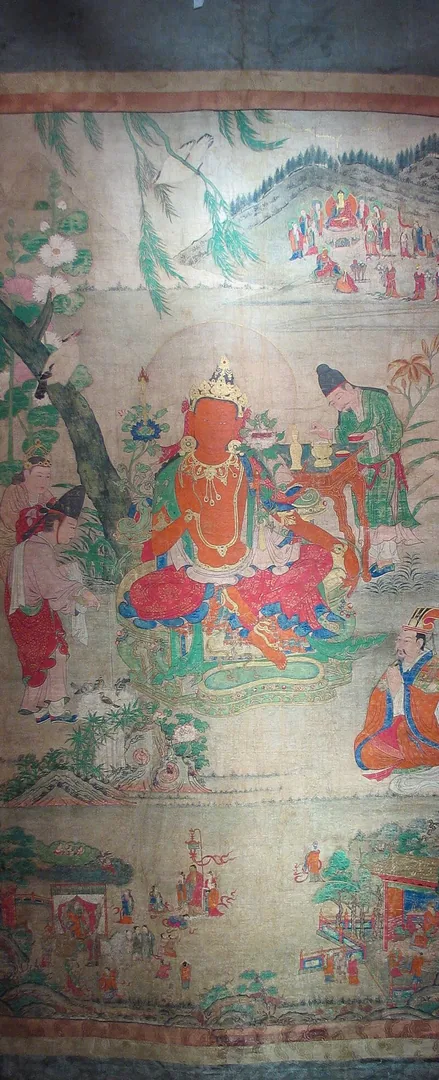
Mañjuśrī (Jampelyang)
Radiant saffron-gold in hue, Mañjuśrī raises a blazing sword overhead with his right hand to slice right through conceptual confusion, while holding the Prajñāpāramitā Sūtra on a lotus at his heart.